
Natural health approaches have gained considerable attention as people seek alternatives to conventional medicine. These time-tested practices focus on supporting the body’s innate healing abilities through herbs, nutrition, and lifestyle modifications. If you’re curious about how natural remedies can complement your wellness routine, this guide will walk you through the fundamentals and show you practical ways to incorporate these practices into your daily life.
Whether you’re dealing with minor ailments or simply want to maintain optimal health, understanding natural remedies can empower you to make informed decisions about your wellbeing. Let’s explore what natural health really means and how you can benefit from these approaches.
Understanding Natural Health
Natural health is a holistic approach to wellness that emphasizes prevention and the body’s inherent capacity to heal itself. Rather than simply treating symptoms, this philosophy addresses the root causes of health issues through diet, exercise, stress management, and natural therapies.
Core Principles of Natural Health
At its foundation, natural health operates on several key principles. First, it recognizes that the body has remarkable self-healing capabilities when given proper support. Second, it views health as a state of complete physical, mental, and emotional wellbeing—not merely the absence of disease. Third, it emphasizes prevention over treatment, encouraging lifestyle choices that maintain health rather than waiting for problems to develop.
Natural Health vs. Conventional Medicine
Conventional medicine excels at treating acute conditions, infections, and emergencies with targeted interventions like surgery and pharmaceuticals. Natural health, on the other hand, takes a broader view. It considers how various aspects of your life—from what you eat to how you manage stress—affect your overall health.
These approaches aren’t necessarily opposing forces. Many people successfully combine both, using conventional medicine for serious conditions while incorporating natural practices for prevention and general wellness. The key is understanding when each approach is most appropriate.
Benefits of Natural Health Practices
Adopting natural health practices offers several advantages. These methods typically have fewer side effects than pharmaceutical interventions. They often cost less over time, as prevention is generally more affordable than treatment. Natural approaches also encourage you to take an active role in your health, fostering greater awareness of your body and its needs.
Additionally, many natural remedies address multiple aspects of health simultaneously. For example, regular exercise not only strengthens your cardiovascular system but also improves mood, supports immune function, and helps manage weight.
Effective Natural Remedies
Natural remedies come in various forms, each offering unique benefits. Here are three powerful categories worth exploring.
Herbal Remedies
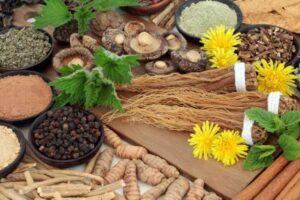
Herbal medicine has been used across cultures for thousands of years. Many modern pharmaceuticals actually originated from plant compounds. Today, herbal remedies remain popular for addressing common health concerns.
Ginger, for instance, is well-documented for its anti-nausea properties and can soothe digestive discomfort. Chamomile tea has calming effects that may help with sleep and anxiety. Turmeric contains curcumin, a compound with powerful anti-inflammatory properties that supports joint health.
Echinacea is commonly used to support immune function, particularly during cold and flu season. Peppermint can relieve digestive issues and tension headaches. When using herbal remedies, quality matters—look for reputable brands that provide third-party testing information.
Aromatherapy and Essential Oils
Aromatherapy uses concentrated plant extracts called essential oils to promote physical and emotional wellbeing. These oils can be inhaled, applied topically when properly diluted, or used in diffusers.
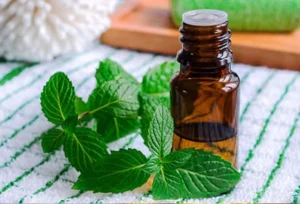
Lavender oil is renowned for its relaxing properties and may improve sleep quality. Tea tree oil has antimicrobial properties and is often used for skin concerns. Eucalyptus oil can help clear respiratory passages and support breathing. Peppermint oil may boost energy and alleviate headaches.
Always dilute essential oils before applying them to skin, and be aware that some oils aren’t safe for children, pregnant women, or pets. Start with small amounts to test for sensitivities.
Nutritional Supplements
While whole foods should be your primary source of nutrients, supplements can fill gaps in your diet. Vitamin D supplementation is often necessary for people living in areas with limited sunlight. Omega-3 fatty acids support heart and brain health, particularly beneficial if you don’t regularly eat fatty fish.
Probiotics promote digestive health by supporting beneficial gut bacteria. Magnesium plays a role in hundreds of bodily processes and many people don’t get enough through diet alone. Vitamin B12 is crucial for energy production and is especially important for vegetarians and vegans.
Before starting any supplement regimen, consult with a healthcare provider. They can help identify your specific needs through testing and ensure supplements won’t interact with any medications you’re taking.
Incorporating Natural Health into Daily Life
Natural health isn’t just about remedies—it’s about creating a lifestyle that supports wellness every day.
Healthy Eating Habits
Your diet forms the foundation of natural health. Focus on whole, unprocessed foods like vegetables, fruits, whole grains, lean proteins, and healthy fats. These foods provide the nutrients your body needs to function optimally.
Reduce your intake of refined sugars, which can cause energy crashes and inflammation. Stay hydrated by drinking plenty of water throughout the day. Consider the timing of your meals too—eating regular, balanced meals helps maintain steady energy levels and supports metabolic health.
Experiment with adding more plant-based meals to your diet. You don’t need to become vegetarian, but increasing vegetable intake provides fiber, vitamins, and antioxidants that protect against chronic disease.
Exercise and Physical Activity
Regular movement is non-negotiable for good health. Aim for at least 150 minutes of moderate-intensity aerobic activity each week, along with strength training exercises twice weekly.
Find activities you genuinely enjoy, whether that’s walking, swimming, dancing, or cycling. When exercise feels like play rather than work, you’re much more likely to stick with it. Even short bursts of activity throughout the day add up—take the stairs, park farther away, or do bodyweight exercises during TV commercials.
Physical activity improves cardiovascular health, strengthens bones and muscles, enhances mood, and supports healthy sleep patterns. It’s one of the most powerful natural health practices available.
Stress Management Techniques
Chronic stress undermines health in numerous ways, affecting everything from immune function to digestive health. Developing effective stress management techniques is essential.
Meditation and mindfulness practices can significantly reduce stress levels. Start with just five minutes daily and gradually increase. Deep breathing exercises activate your body’s relaxation response and can be done anywhere. Progressive muscle relaxation helps release physical tension you might not even realize you’re holding.
Spending time in nature has proven stress-reducing effects. Even a short walk in a park can lower cortisol levels and improve mood. Cultivate social connections too—strong relationships are associated with better health outcomes and increased longevity.
Frequently Asked Questions
Are natural remedies safe for everyone?
While many natural remedies are generally safe, they’re not appropriate for everyone. Pregnant women, nursing mothers, children, and people with chronic health conditions should consult healthcare providers before using new remedies. Natural doesn’t automatically mean risk-free—some herbs and supplements can interact with medications or cause allergic reactions.
How long does it take to see results from natural remedies?
The timeline varies depending on the remedy and the condition being addressed. Some effects, like the calming properties of chamomile tea, may be noticeable immediately. Other benefits, such as those from lifestyle changes or certain supplements, may take weeks or months to become apparent. Consistency is key with natural health approaches.
Can I replace my medications with natural remedies?
Never stop taking prescribed medications without consulting your healthcare provider. While natural remedies can complement medical treatment, they shouldn’t replace necessary medications, especially for serious conditions. Work with your doctor to develop an integrated approach that may include both conventional and natural methods.
How do I know if a natural health product is high quality?
Look for products that have been third-party tested for purity and potency. Reputable brands will provide certificates of analysis. Check for certifications from organizations like NSF International or USP. Read reviews from verified purchasers and be wary of products making exaggerated health claims.
What’s the best way to start incorporating natural health practices?
Begin with simple, low-risk changes. Improve your diet by adding more whole foods. Establish a regular sleep schedule. Try a gentle exercise routine. Once these basics are in place, you can gradually explore specific remedies for particular health concerns. Start slowly and pay attention to how your body responds.
Taking Your Next Steps Toward Natural Wellness
Natural health and remedies offer valuable tools for supporting your wellbeing, emphasizing prevention and the body’s remarkable ability to maintain balance. By understanding the principles of natural health, exploring effective remedies, and making lifestyle choices that support wellness, you’re investing in your long-term health.
Remember that natural health is a journey, not a destination. Small, consistent changes often produce the most sustainable results. Listen to your body, be patient with the process, and don’t hesitate to seek guidance from qualified healthcare professionals who understand both conventional and natural approaches. Your path to wellness is uniquely yours—embrace it with curiosity and commitment.