Were you ever in the grocery store and stared at a food label, not sure what all the numbers and contents meant? You’re not by yourself. Food labels are supposed to help us pick healthy options, but they can be hard to understand and use. It’s easy to think you’re picking the best choice when marketing terms like “all-natural,” “low-fat,” and “organic” are used. But sometimes you’re not.
One of the best ways to take charge of your health is to learn how to read food labels like a pro. You can make better choices about what to eat once you know what’s really on those labels. We’ll show you how to read nutrition labels, figure out what ingredients are, and spot marketing tricks so you can choose foods that are good for you with confidence.
Start with the amount of food
Labels tell you how much food to serve. This is the first thing you should look at. This small fact can change how you understand the rest of the data in a big way. This is the amount size that is used to figure out the calories, fat, sugar, and salt.
If you eat a full cup even though the serving size says ½ cup, you’re actually getting twice as many calories and nutrients. A lot of prepared foods, like drinks and snacks, come in containers that hold more than one amount. Knowing the size of the amount helps you figure out how much you’re really eating.
Always make sure that the serving amounts are the same when you compare two goods. This is important for a fair comparison of two things next to each other.
Watch Out for the Calories
Calories tell you how much power one amount of food gives you. Calories are neither “good” nor “bad,” but knowing what they are can help you control how many you eat each day.
Keeping track of calories can help you keep or lose weight, but quality is just as important as amount. It’s possible for two things to have the same number of calories, but their nutritional value can be very different. 200 calories from chips or drinks are not nearly as good for you as 200 calories from grilled chicken and veggies.
Instead of empty calories that give you energy but not much else, try eating foods that are high in calories and also high in fiber, vitamins, and minerals.
Learn how the nutrients are broken down
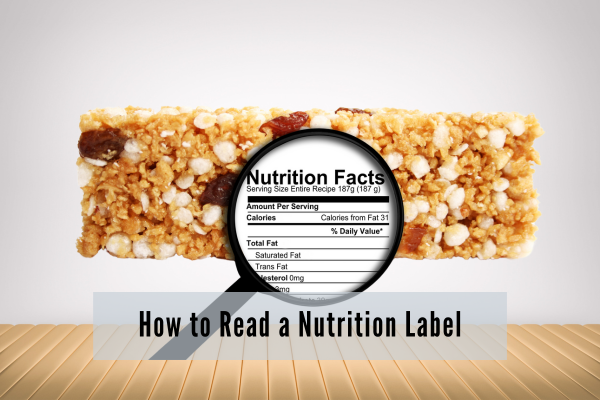
You can find the nutrition list below the calories. It includes macronutrients (like fat, carbs, and protein) and micronutrients (like vitamins and minerals). Here’s how to understand each one:
Sum of Fats: Not all fats are bad. Avoid heavy fats and eat more unsaturated fats, like those found in nuts, seeds, and olive oil. Stay away from trans fats at all costs because they raise your risk of heart disease.
If you are worried about your heart health, keep your cholesterol level low
Sodium: A lot of prepared foods have a lot of sodium, which can make your blood pressure go up. Try to stay below 2,300 mg of sodium every day.
Total carbs are made up of sugars, starches, and fiber. For steady energy and better digestion, choose foods that have more fiber and less extra sugar.
Protein is important for building muscle, getting energy, and feeling full. In your diet, you should eat a mix of plant-based and animal nutrients.
The point isn’t to stay away from any one vitamin, but to learn how they all fit into your food as a whole.
Keep an eye out for extra sugar
Added sugars are a big reason why people eat poorly these days. They are often hard to find because they have different names, like fructose, maltose, sugar, or corn syrup. Some foods, like sweetened yogurt or cereal, may look healthy, but they may have a lot of extra sugar.
Added sugars are different from natural sugars found in fruits and cheese. The “Added Sugars” line on the label tells you how much sugar was added during processing. The American Heart Association says that women should limit their daily extra sugar intake to 25 grams and men should limit it to 36 grams.
Pick foods that have little to no extra sugar when you can. To make foods naturally sweet, use fruits like bananas and berries.
Look at the list of ingredients
The real story is in the list of ingredients. The list of ingredients goes from heaviest to lightest, which means that the lightest things make up most of the product.
Look for these things as you read this:
- Whole foods should come first. Things like nuts, veggies, whole grains, and oats should be at the top.
- Simple and short lists: When there are fewer ingredients, there are generally fewer fillers and stabilizers.
- Don’t eat or drink things that have added colors, tastes, or chemicals with long names that you can’t say.
- Like, if sugar is the first thing listed in your “whole grain” cereal, it’s not as healthy as it seems.
Learn about percent daily values (%DV)
If you eat 2,000 calories a day, the % Daily Value number tells you how much of a food one meal gives you.
It’s easy to understand:
- 5% DV or less: Not very high in that nutrient.
- 20% DV or more: This food has a lot of that vitamin.
Use this list to help you pick out healthy foods. You should try to eat more fiber, vitamins, and minerals and less salt, extra sugars, and heavy fats.
This feature comes in handy when you want to compare two goods next to each other. It makes it easy to choose foods that are good for you without having to do a lot of math.
Take marketing claims with a grain of salt
The way food is packaged is meant to catch your eye and sometimes confuse you. Products with claims like “low-fat,” “sugar-free,” “gluten-free,” or “organic” are not always healthy.
For instance, a food that says it is “low-fat” could still have a lot of sugar or salt in it. Also, cookies that say they are “organic” can still have a lot of calories and extra sugars. Reading the nutrition facts and ingredient list is always a better way to check claims than depending on marketing jargon.
The main rule is that food that is better for you generally doesn’t need as much promotion.
Tips You Can Use to Shop Smarter
It is very helpful to know how to read food labels, but what really matters is using what you have learned. To help you make better decisions, here are some ideas:
Look around the outside of the store. That’s where you can find fresh, whole foods like meat, cheese, and fruits and vegetables.
Look at different names. Don’t always think that the most well-known name is the best. Store brands are sometimes better.
Make a plan for your food. When you plan your meals, reading labels helps you stick to your calorie and vitamin goals.
Balance is important. What you eat as a whole is what matters most for your health, not any one food.
FAQs About How to Read Food Labels
1. What should you pay the most attention to on a food label?
First look at the portion size. Then look at the list of ingredients, calories, and extra carbs. These tell you the most about how healthy a food is.
2. Are all things that are “low-fat” or “sugar-free” good for you?
Not all the time. To make them taste better, many low-fat foods add sugar or salt. Never trust what the marketing says; always read the whole package.
3. How can I tell if something has a lot of sodium?
Anything that has 20% or more of the daily amount for sodium in a measure is thought to be high. When you can, choose foods that have less than 5% DV.
4. What should I look for on the list of ingredients?
Choose items that have clear, short lists of ingredients and whole foods that you can recognize. Stay away from those that have extra sugar, trans fats, or fake ingredients.
5. Is it ever okay to eat bought foods?
Yes. Boxed foods aren’t always bad. Just be picky—look for foods that have clean ingredients and good nutrients.
Do something about your health one label at a time.
You can make better decisions every day if you know how to read food labels like a pro. You will not be moved by ads or guesswork about what is good because you will know exactly what you are putting in your body.
Start with a small amount. Look at the serving size, compare brands, and read the labels. Being aware of these things will help you form better habits and build a stronger, more energized body over time.
Remember that every trip to the food store is a chance to improve your health. You now know how to shop smarter and eat better.