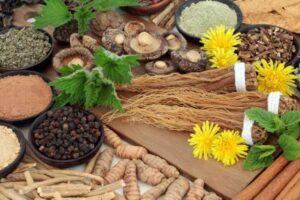

Your immune system works around the clock to protect you from harmful bacteria, viruses, and other pathogens. While you can’t completely prevent illness, you can take meaningful steps to strengthen your body’s natural defenses through gentle, science-backed approaches.
Building a robust immune system doesn’t require expensive supplements or drastic lifestyle changes. Instead, it’s about creating sustainable habits that support your body’s remarkable ability to heal and protect itself. The strategies we’ll explore focus on nourishing your immune system naturally, helping you feel more resilient and energetic.
Let’s discover how simple adjustments to your daily routine can make a significant difference in your overall health and well-being.
Understanding Your Immune System
Your immune system is a complex network of cells, tissues, and organs that work together to defend your body against harmful invaders. Think of it as your personal security team, constantly patrolling and identifying threats.
This sophisticated defense system includes white blood cells, antibodies, and various organs like your spleen, thymus, and lymph nodes. When functioning optimally, your immune system can distinguish between healthy cells and potentially dangerous substances, responding appropriately to each situation.
The strength of your immune response depends on various factors, including genetics, age, and lifestyle choices. While you can’t change your genes or stop aging, you have significant control over lifestyle factors that influence immune function.
Nourishing Your Body with Immune-Supporting Foods
What you eat directly impacts your immune system’s ability to function effectively. A balanced, nutrient-rich diet provides the building blocks your body needs to produce immune cells and antibodies.
Vitamins and Minerals That Matter
Vitamin C plays a crucial role in immune function by supporting the production and activity of white blood cells. You’ll find this powerful antioxidant in citrus fruits, bell peppers, strawberries, and broccoli.
Vitamin D helps regulate immune responses and can be found in fatty fish, egg yolks, and fortified foods. Zinc supports immune cell development and is abundant in nuts, seeds, legumes, and whole grains.
The Power of Antioxidants
Colorful fruits and vegetables contain antioxidants that protect your cells from damage caused by free radicals. Berries, leafy greens, and orange vegetables are particularly rich in these protective compounds.
Include a variety of colors on your plate to ensure you’re getting a wide range of antioxidants. Each color represents different beneficial compounds that work together to support your immune system.
Lifestyle Habits That Strengthen Immunity
Your daily habits significantly influence how well your immune system performs. Three key areas deserve special attention: sleep, exercise, and stress management.
Quality Sleep for Immune Recovery
During sleep, your body produces and releases cytokines, proteins that help fight infection and inflammation. Adults need 7-9 hours of quality sleep per night for optimal immune function.
Create a relaxing bedtime routine by dimming lights, avoiding screens before bed, and keeping your bedroom cool and comfortable. Consistent sleep schedules help regulate your body’s internal clock and improve sleep quality.
Movement for Better Immunity
Regular moderate exercise boosts immune function by improving circulation and reducing inflammation. Activities like brisk walking, swimming, or cycling for 30 minutes most days of the week can make a meaningful difference.
However, avoid overexercising, as intense workouts can temporarily suppress immune function. Listen to your body and allow adequate recovery time between challenging sessions.
Managing Stress Naturally
Chronic stress elevates cortisol levels, which can suppress immune function over time. Incorporating stress-reduction techniques into your routine helps maintain a healthy balance.
Deep breathing exercises, meditation, yoga, or simply spending time in nature can significantly reduce stress levels. Find activities that bring you joy and make them a regular part of your schedule.
Exploring Gentle Herbal Remedies
Certain herbs have been used for centuries to support immune health, and modern research continues to validate many of these traditional practices.
Elderberry contains compounds called anthocyanins that may help reduce the duration and severity of cold symptoms. You can find elderberry in syrup form or as a supplement.
Echinacea has been shown to stimulate immune system activity and may help prevent respiratory infections when used consistently.
Ginger offers anti-inflammatory and antioxidant properties that support overall immune function. Add fresh ginger to teas, smoothies, or cooking for both flavor and health benefits.
Always consult with a healthcare provider before adding new herbal remedies to your routine, especially if you take medications or have underlying health conditions.
The Importance of Proper Hydration
Water plays a vital role in maintaining immune function by helping transport nutrients to cells and removing waste products from your body. Proper hydration also keeps mucous membranes moist, creating a barrier against pathogens.
Aim for 8-10 glasses of water daily, adjusting for activity level, climate, and individual needs. Herbal teas, warm broths, and water-rich foods like fruits and vegetables also contribute to your daily fluid intake.
Pay attention to signs of dehydration, such as dark urine, fatigue, or headaches, and increase your fluid intake accordingly.
Harnessing Sunlight and Vitamin D
Vitamin D deficiency is linked to increased susceptibility to infections. Your skin produces vitamin D when exposed to ultraviolet B rays from sunlight.
Spend 10-15 minutes in direct sunlight several times per week, depending on your skin type and location. During winter months or in areas with limited sunlight, consider vitamin D supplements after consulting with your healthcare provider.
Safe sun exposure means avoiding peak hours (10 AM to 4 PM) and using appropriate protection to prevent sunburn while still allowing some unprotected exposure for vitamin D synthesis.
Practical Daily Tips for Immune Support
Incorporating immune-boosting strategies into your routine doesn’t have to be complicated. Start with small, manageable changes that fit your lifestyle.
Begin each day with a glass of warm water with lemon to support hydration and provide vitamin C. Include protein at every meal to support immune cell production.
Wash your hands regularly and thoroughly, especially before eating and after being in public spaces. This simple practice prevents many infections from taking hold.
Keep your living space clean but not sterile. Some exposure to germs actually helps train your immune system, but basic cleanliness reduces unnecessary pathogen exposure.
Frequently Asked Questions
Can I boost my immune system quickly?
While there’s no overnight solution, consistent healthy habits can improve immune function within weeks. Focus on getting adequate sleep, eating nutritious foods, and managing stress for the most immediate benefits.
Are expensive immune supplements necessary?
Most people can meet their nutritional needs through a balanced diet. Basic supplements like vitamin D may be helpful, especially during winter months, but expensive immune boosters are rarely necessary for healthy individuals.
How do I know if my immune system is weak?
Signs of compromised immunity include frequent infections, slow wound healing, persistent fatigue, and digestive issues. If you experience these symptoms regularly, consult with a healthcare provider for proper evaluation.
Can stress really affect my immunity?
Yes, chronic stress significantly impacts immune function by elevating cortisol levels and disrupting sleep patterns. Managing stress through relaxation techniques, exercise, and adequate rest is crucial for immune health.
Is it possible to have an overactive immune system?
Yes, autoimmune conditions occur when the immune system mistakenly attacks healthy tissue. Focus on balance rather than “boosting” immunity, and consult healthcare providers if you have concerns about immune function.
Building Your Foundation for Lifelong Health
Supporting your immune system naturally is about creating a lifestyle that allows your body’s defense mechanisms to function at their best. Rather than seeking quick fixes, focus on sustainable habits that nourish your overall health.
Remember that small, consistent changes often produce better results than dramatic temporary measures. Start with one or two strategies that appeal to you most, then gradually incorporate additional immune-supporting practices as they become natural parts of your routine.
Your immune system is remarkably adaptable and responsive to the care you provide. By treating your body with kindness and giving it the resources it needs, you’re investing in both immediate well-being and long-term health resilience.