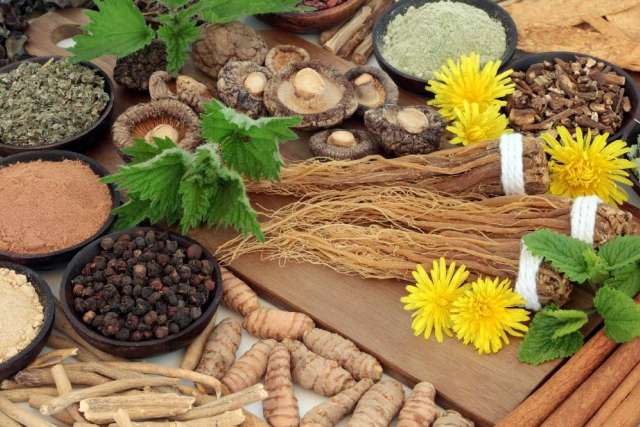
Herbs have quietly supported human health for thousands of years, yet many of us overlook the wellness treasures growing right in our gardens or sitting on our kitchen shelves. These natural allies offer gentle, effective ways to boost your well-being without complicated routines or expensive supplements.
From the soothing properties of chamomile to the digestive benefits of ginger, everyday herbs provide accessible solutions to common health concerns. Whether you’re dealing with stress, digestive issues, or simply want to enhance your overall vitality, incorporating herbs into your daily routine can make a meaningful difference.
This guide explores the most beneficial everyday herbs for general wellness, how they work, and practical ways to make them part of your life. You’ll discover which herbs can address your specific needs and learn simple methods to harness their natural healing power.
The Ancient Wisdom of Herbal Wellness
Herbal medicine represents one of humanity’s oldest healing traditions. Archaeological evidence shows that humans have used plants for medicinal purposes for over 60,000 years. Ancient civilizations from Egypt to China developed sophisticated understanding of herbal properties, many of which modern science continues to validate.
The beauty of herbs lies in their gentle approach to wellness. Unlike synthetic medications that often target single symptoms, herbs typically work holistically, supporting multiple body systems simultaneously. They contain complex combinations of active compounds that work synergistically to promote balance and healing.
Modern research has confirmed what traditional healers knew intuitively: many common herbs possess powerful therapeutic properties. Studies have documented anti-inflammatory, antioxidant, antimicrobial, and stress-reducing effects in numerous everyday herbs. This scientific validation bridges ancient wisdom with contemporary wellness practices.
What makes herbs particularly appealing for general well-being is their safety profile when used appropriately. Most culinary herbs can be consumed regularly without concern, making them ideal for preventive health care and long-term wellness support.
Powerful Everyday Herbs for Enhanced Well-Being
Ginger: The Digestive Champion
Ginger stands out as one of the most versatile wellness herbs available. Its active compound, gingerol, provides potent anti-inflammatory and digestive benefits that can transform how you feel daily.
For digestive health, ginger stimulates saliva production, bile secretion, and gastric motility, helping your body process food more efficiently. Many people find that consuming ginger tea after meals reduces bloating, nausea, and indigestion. The herb also shows promise for reducing motion sickness and morning sickness in pregnant women.
Beyond digestion, ginger supports immune function and may help reduce muscle soreness after exercise. Its warming properties make it particularly beneficial during cold months or when you’re feeling run down.
To incorporate ginger into your routine, try fresh ginger tea made by steeping sliced ginger root in hot water for 10 minutes. Add honey and lemon for enhanced flavor and additional health benefits. Fresh ginger can also be grated into smoothies, stir-fries, and baked goods.
Chamomile: Nature’s Relaxation Remedy
Chamomile has earned its reputation as the ultimate calming herb. This gentle flower contains compounds called flavonoids, particularly apigenin, which bind to specific receptors in the brain to promote relaxation and reduce anxiety.
Research supports chamomile’s effectiveness for improving sleep quality and reducing stress levels. Regular chamomile tea consumption has been linked to better sleep patterns, reduced anxiety symptoms, and improved mood stability. The herb’s anti-inflammatory properties also support digestive health and may help soothe stomach upset.
Chamomile’s gentle nature makes it suitable for daily use and safe for most people, including children when properly diluted. Its mild sedative effect helps create natural bedtime routines without the grogginess associated with sleep medications.
For best results, drink chamomile tea 30-60 minutes before bedtime. You can also create chamomile-infused honey by combining dried chamomile flowers with raw honey, letting it infuse for several weeks before straining.
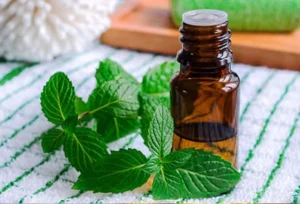
Peppermint: The Energizing Digestive Aid
Peppermint offers a refreshing approach to digestive wellness and mental clarity. Its primary active compound, menthol, provides cooling and antispasmodic effects that can relieve digestive discomfort while simultaneously boosting alertness.
Studies show that peppermint oil can significantly reduce symptoms of irritable bowel syndrome (IBS), including abdominal pain, bloating, and irregular bowel movements. The herb’s antispasmodic properties help relax smooth muscle in the digestive tract, providing relief from cramping and discomfort.
Peppermint also supports respiratory health by helping clear congestion and soothing throat irritation. Its invigorating aroma can improve concentration and reduce mental fatigue, making it an excellent afternoon pick-me-up alternative to caffeine.
Fresh peppermint leaves make excellent tea and can be added to smoothies, salads, and fruit dishes. Dried peppermint works well for tea blends and can be incorporated into homemade wellness preparations.
Lavender: The Stress-Busting Beauty
Lavender’s distinctive fragrance signals its powerful stress-reducing properties. This purple flower contains linalool and linalyl acetate, compounds that directly influence the nervous system to promote relaxation and emotional balance.
Clinical studies demonstrate lavender’s effectiveness for reducing anxiety, improving sleep quality, and supporting emotional well-being. The herb’s aromatherapeutic properties work quickly, often providing noticeable calming effects within minutes of exposure.
Beyond stress relief, lavender possesses antimicrobial and anti-inflammatory properties that support skin health. It can help soothe minor skin irritations, reduce inflammation, and promote healing.
Lavender essential oil can be diffused for aromatherapy benefits, added to bath water for relaxation, or diluted with carrier oil for topical application. Dried lavender flowers make calming tea and can be sewn into sachets for natural home fragrance.
Integrating Herbs into Your Daily Wellness Routine
Herbal Teas and Beverages
Creating a daily tea ritual offers the simplest way to incorporate wellness herbs into your routine. Start your morning with energizing ginger tea, enjoy peppermint tea for afternoon digestive support, and wind down with chamomile or lavender tea before bed.
Herbal ice cubes add wellness benefits to any beverage. Freeze fresh mint leaves, chamomile flowers, or ginger slices in ice cube trays with water. These herbal ice cubes can transform plain water into a wellness drink while providing visual appeal.
Cold-brewed herbal teas offer refreshing alternatives during warmer months. Combine your favorite herbs with cold water and refrigerate overnight for smooth, concentrated herbal beverages without bitterness.
Culinary Applications
Fresh and dried herbs can transform ordinary meals into wellness-supporting experiences. Add fresh ginger to stir-fries, soups, and marinades. Incorporate peppermint into fruit salads, yogurt, and grain dishes for digestive benefits.
Herbal salts combine wellness herbs with sea salt for easy seasoning that supports health. Blend dried lavender with coarse salt for finishing roasted vegetables, or combine ginger powder with salt for seasoning proteins.
Creating herb-infused oils provides versatile ingredients for cooking and wellness applications. Gently warm olive oil with fresh herbs, strain, and store in glass containers for drizzling over dishes or using in homemade wellness preparations.
Aromatherapy and Topical Uses
Essential oils derived from wellness herbs offer concentrated therapeutic benefits through aromatherapy. Diffuse lavender oil during stressful periods, inhale peppermint oil for mental clarity, or add chamomile oil to unscented lotion for calming skincare.
Herbal steams provide respiratory support and skin benefits simultaneously. Add fresh herbs to steaming water and carefully inhale the vapors while covering your head with a towel. This traditional practice helps clear congestion while delivering aromatherapeutic benefits.
Frequently Asked Questions
Are everyday herbs safe for daily consumption?
Most culinary herbs like ginger, peppermint, chamomile, and lavender are generally safe for daily consumption when used in moderate amounts. However, some people may have allergies or sensitivities to specific herbs. Start with small amounts and discontinue use if you experience any adverse reactions. Pregnant women, nursing mothers, and people taking medications should consult healthcare providers before using herbs therapeutically.
How long does it take to notice benefits from herbs?
The timeline for experiencing herbal benefits varies depending on the herb and individual factors. Some effects, like the calming properties of chamomile or the digestive benefits of peppermint, may be noticed within 30-60 minutes. Other benefits, such as improved stress resilience or enhanced overall well-being, may take several weeks of consistent use to become apparent.
Can I grow these wellness herbs at home?
Yes, most wellness herbs are relatively easy to grow at home. Mint, chamomile, and lavender can thrive in containers or garden beds with appropriate care. Ginger can be grown from fresh rhizomes in warm climates or indoors in cooler regions. Growing your own herbs ensures freshness, potency, and cost-effectiveness while providing the satisfaction of creating your own wellness garden.
What’s the difference between fresh and dried herbs for wellness?
Fresh herbs typically contain higher levels of volatile oils and may provide more immediate aromatic benefits. Dried herbs concentrate certain compounds and often have longer shelf lives, making them practical for daily use. Both forms offer wellness benefits, and the choice often depends on availability, intended use, and personal preference.
How should I store herbs to maintain their potency?
Store dried herbs in airtight containers away from light, heat, and moisture to preserve their potency. Fresh herbs should be refrigerated and used within a week for optimal benefits. Essential oils should be stored in dark glass bottles in cool locations. Properly stored herbs can maintain their wellness properties for 1-2 years, though fresher is generally better for maximum benefits.
Your Path to Natural Wellness Starts Here
Everyday herbs offer remarkable opportunities to enhance your well-being naturally and affordably. From ginger’s digestive support to lavender’s stress-relieving properties, these plant allies provide gentle yet effective solutions for common wellness concerns.
The key to success lies in consistency rather than complexity. Start with one or two herbs that address your primary wellness goals, then gradually expand your herbal toolkit as you experience their benefits. Remember that herbs work best as part of a holistic approach to health that includes proper nutrition, regular exercise, and adequate sleep.
By embracing the wisdom of herbal wellness, you’re connecting with centuries of healing tradition while taking proactive steps toward better health. Your journey toward natural well-being can begin today with something as simple as a cup of chamomile tea or a sprinkle of fresh ginger in your morning smoothie.