In today’s busy world, it can be challenging to maintain a balanced diet. In a world dominated by fast food, long workdays, and a plethora of new eating habits, it’s easy to forget what true health entails. But following a healthy diet doesn’t have to be difficult or confusing. With the right knowledge and small, daily changes, anyone can develop a healthy eating plan that nourishes the body, keeps the mind sharp, and supports long-term health.
You don’t have to count calories or follow diet trends to eat a balanced diet. You need to give your body what it truly needs: a balanced combination of carbohydrates, proteins, healthy fats, and the vitamins and minerals it needs. When you eat a balanced diet, your body functions better, your energy levels remain stable, and your mood improves. If you want to understand the importance of a healthy diet and how to easily incorporate it into your daily routine, this guide is for you.
What does a “balanced diet” actually mean?
A balanced diet provides the nutrients your body needs for increased strength, energy, and vitality. This means getting the right amount of food from each food group to meet your nutritional needs. Protein helps repair muscles and maintain a healthy immune system, while healthy fats support brain function and regulate hormone levels. Fruits and vegetables are good for you because they’re rich in fiber, minerals, and vitamins that are essential for your diet.
A simple way to achieve this is to fill your plate with equal amounts of different foods. Half your plate should be filled with fruits and vegetables, a quarter with lean protein sources like beans, chicken, fish, tofu, or fish, and the last quarter with whole carbohydrates like brown rice, quinoa, or oats. Finally, you can add a small amount of healthy fats, such as avocado, nuts, or olive oil.
Sometimes a balanced diet isn’t perfect. Consistency is key: consistently making healthy choices keeps you healthy both physically and mentally.
Why a Balanced Diet Is Good for You
What you eat directly affects your health, energy, and focus. A balanced diet keeps your blood sugar levels stable and prevents rapid fluctuations that can lead to fatigue or mood swings. A balanced diet also helps you feel fuller longer, maintain a healthy weight, and control your appetite.
A nutritious diet helps your body digest food better, fight disease, and improve brain function. For example, eating protein in the morning can help you feel less hungry during the day, while whole grains provide you with energy throughout the day. On the other hand, eating large amounts of processed foods, refined sugar, and “bad fats” can make you tired, cause difficulty concentrating, and increase your risk of chronic conditions like diabetes and heart disease.
A balanced diet is also beneficial for your mental health. Research shows that healthy eating can make you feel better and reduce the effects of sadness and anxiety. In other words, what you eat can also nourish your brain.
Pack your meals well every day
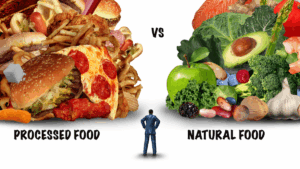
When it comes to healthy eating, planning and vigilance are more important than a strict diet. First, choose foods that are as natural as possible. The majority of your meals should consist of fresh vegetables, whole grains, and lean meats. Reduce your intake of highly processed foods that are high in sugar, salt, and chemicals.
To ensure you get all the nutrients you need, make sure your plate is filled with a variety of colors and textures. Each color of fruit and vegetable offers different benefits. For example, orange and yellow fruits and vegetables are rich in vitamin C, while leafy greens are rich in iron and calcium.
Portion control is another important aspect of a healthy diet. You don’t have to eliminate any food group completely; just eat them in moderation. Skipping meals slows down your metabolism, which can lead to overeating later in the day.
Finally, don’t forget to drink plenty of water. Water is essential for your body to process energy, produce energy, and eliminate waste. Remember to drink plenty of water every day to stay healthy.
Simple and Practical Meal Tips
Starting a healthier diet is easy with a few practical meal options. Eat oatmeal with milk and fresh berries for an energy boost and vitamins at breakfast. For lunch, try grilled chicken or tofu with brown rice and steamed vegetables. A breakfast
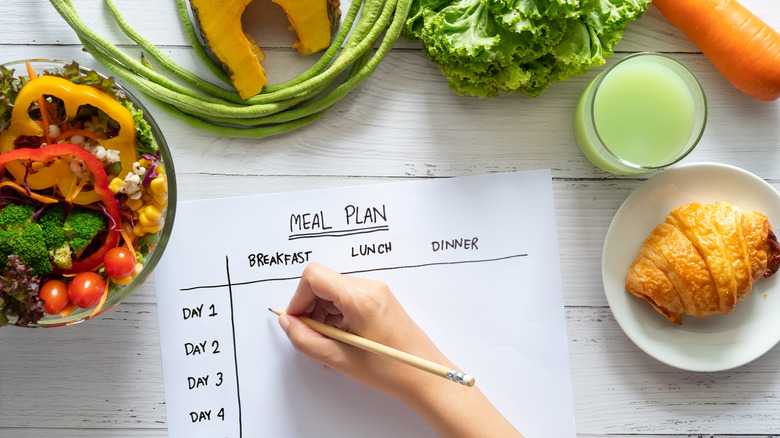
First, preparing meals ahead of time saves time and prevents last-minute mistakes. Cooking at home also allows you to control ingredients and portion sizes.
Paying attention to your body’s hunger and satiety signals can help you eat more mindfully. Take your time, chew your food thoroughly, and savor it. This not only facilitates digestion but also allows you to savor the flavors and nutrients in every bite.
Don’t be too hard on yourself if you indulge occasionally. A healthy lifestyle is about balance, not restriction. It’s not about one meal or one day, but about your overall eating habits.
Why a Balanced Diet Is Good for Your Long-Term Health
Eating a balanced diet every day not only helps maintain a stable weight but also strengthens your immune system, helps you focus, and supports every cell in your body. Over time, these habits can reduce your risk of chronic disease, maintain stable energy levels, and help you think more clearly.
A balanced diet also helps you develop a healthy relationship with food. Instead of saying things are “good” or “bad,” recognize that anything can be part of a healthy diet, as long as it’s consumed in moderation. This approach can reduce the stress and guilt associated with eating and promote a more enjoyable, sustainable lifestyle.
How to Eat Healthy: Frequently Asked Questions
What makes a meal balanced?
To ensure your body gets all the nutrients it needs, a balanced meal should include carbohydrates, protein, healthy fats, and a variety of fruits and vegetables.
Can I still eat balanced meals when I’m busy?
Of course. Planning meals in advance or having healthy, quick options on hand, such as hard-boiled eggs, whole-wheat wraps, or pre-cut vegetables, makes it easier to eat healthy.
Do I need to track my calories to eat healthy?
Not always. Instead of tracking calories, it’s better to focus on portion size and variety. For good long-term health, it’s best to pay attention to your body’s hunger signals.
How can I eat healthier without giving up my favorite foods?
You can vary. For example, try whole-wheat bread and pasta, reduce your sugar intake, and add more vegetables for the tastiest meals.
Can you eat cake and eat healthily?
Of course. Treating yourself occasionally is part of a healthy lifestyle. Maintain balance, don’t feel guilty, enjoy it, and focus on making the most of it.
In short
It may seem simple, but one of the best ways to improve your health and well-being is to eat healthily every day. It’s not about dieting or skipping meals, but about providing your body with the nutrients it needs to grow and stay healthy. By focusing on whole foods, variety, and consistency, you can maintain your energy and mental clarity and create a better future.
Remember: balance isn’t about perfection, it’s about getting better. Every healthy meal you choose brings you one step closer to better health. Start now, persevere, and enjoy the changes that come with mindful and purposeful eating.