
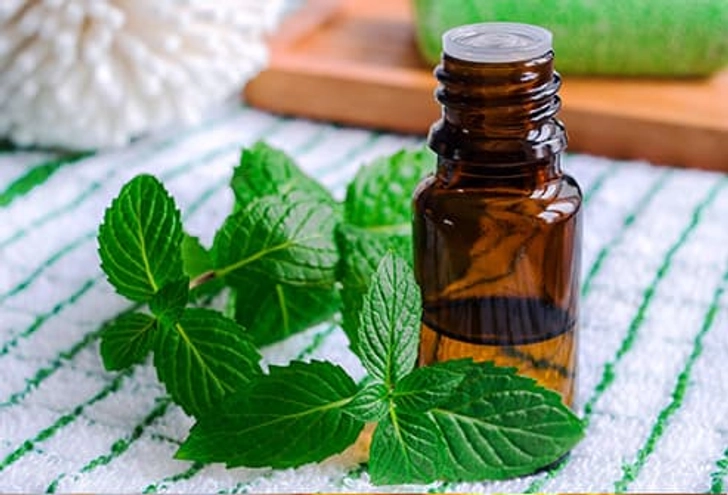

Home remedies can often be difficult to determine what makes them effective. Shiitake mushrooms have been shown to enhance immunity; eucalyptus oil contains components that may relieve pain; magnesium can provide relaxation; while herbs like ginger may help settle stomach issues, pelargonium reduces cold/cough symptoms, and mint relieves IBS symptoms.
Shiitake Mushrooms
Shiitake mushrooms (Lentinula edodes) are an integral component of many dishes, offering both flavor and health benefits. Low in calories yet packed with essential vitamins and minerals, shiitakes also boast umami flavors, which amplify other food flavors.
Shiitake mushrooms contain lentinan, an anticancer agent that helps reduce inflammation. Shiitake can also boost immune function and provide antimicrobial protection; its antioxidants may even help protect against heart disease by lowering cholesterol levels. Furthermore, they contain B vitamins necessary for energy production, metabolism, nerve function, and hormone regulation, as well as vitamin D, which is necessary for bone strength as well as normal thyroid and adrenal gland functioning.
Mushrooms are an excellent source of protein, an essential building block for muscles and other tissues, which also contains all of the amino acids essential to human health. Furthermore, mushrooms contain high levels of fiber to promote digestive health by encouraging regularity and preventing constipation.
Shiitake mushroom supplements do not yet provide enough information on their safety when taken orally in large doses or long-term treatment plans. Shiitake mushrooms could increase the effectiveness of some drugs used to treat transplant recipients and conditions that influence how the liver breaks down or uses drugs.
Eucalyptus Oil
Eucalyptus oil is a versatile natural medicine with multiple health advantages, thanks to a special combination of properties that makes it effective against inflammation, analgesia, antispasmodic pain relief, antifungal infections, and more. The evergreen scent and medicinal qualities are thanks to cineole (eucalyptol).
Eucalyptol acts as an antioxidant, protecting cells against oxidative damage and strengthening immunity systems. Due to this property, eucalyptus has long been used as an effective way of treating infections and fevers since antiquity. Topical applications of its oil can relieve muscle soreness when applied topically; additionally, it boosts circulation for improved fatigue reduction and mental clarity.
Adding eucalyptus oil to a homemade mouthwash can help fight gum disease and bad breath, just by mixing a few drops with water and gargling with it before spitting out. When applied topically on children or for topical use directly on skin, it is wise to dilute with carrier oils first and conduct patch tests to make sure you are not allergic.
Keep in mind, however, that eucalyptus oil can be toxic for cats and dogs, according to PetSmart. Overexposure can cause symptoms including lethargy, excessive salivation, and vomiting, as well as kidney and liver damage; eucalyptol is the chemical in eucalyptus oil responsible for this reaction—so it is important that any exposure remains out of reach from your pets and babies alike.
Mint
Mint is an aromatic and versatile herb, perfect for adding zesty freshness and flavor without salt or sugar to sweet or savory recipes. Mint’s healing powers extend far beyond culinary uses—traditionally, it was used to ease digestive conditions such as stomach ache and indigestion by relaxing muscle tension within the digestive tract to ease discomfort; moreover, its presence contains menthol that relaxes these same muscles to reduce symptoms associated with IBS, such as abdominal pain, gas, and bloating.
Mint can help relieve sinus congestion and bronchitis symptoms, while its natural mouthwash properties fight bad breath. Furthermore, inhaling mint oil may assist with respiratory issues, calm anxiety and mental fatigue, and even provide temporary headache relief.
Studies have linked mint to improved memory function and sleep quality due to its soothing effects, while its antioxidant properties protect the body against oxidative stress, which can lead to illness and fatigue.
Make the most of mint naturally by applying it directly to your skin or drinking a cup of mint tea made with fresh or dried mint leaves brewed in boiling water. For best results, steep one or more handfuls of either fresh or dried mint in boiling water for three minutes to create this refreshing beverage. You could also use mint to flavor fruit salads and green salads or to flavor beverages and syrups.
Magnesium
Magnesium has quickly become a social media darling since influencers began touting it as an effective sleep aid, stress reliever, and digestion remedy—fueling rapid sales growth of magnesium supplements. Magnesium plays an essential role in over 300 chemical reactions within our bodies to keep bones strong, muscles moving properly, blood sugar levels balanced, and nerve function healthy.
Magnesium can be found naturally in various food sources, including spinach, bananas, avocados, and chia seeds. Furthermore, multivitamin formulations usually do not cause side effects when taken correctly; however, individuals suffering from Crohn’s disease or taking proton pump inhibitor (PPI) medications may not absorb as much magnesium.
Studies have linked low magnesium levels with migraine headaches, restless leg syndrome, diabetes, and high blood pressure. People experiencing these conditions may need a supplement of magnesium; it’s best to discuss its dosage with their healthcare provider first to make sure it’s safe.
Too much magnesium can lead to unpleasant symptoms like stomach ache, flushing, thirstiness, weakness, and constipation, particularly among people with kidney disease that affects their ability to excrete excess magnesium, according to Cedars-Sinai internal medicine physician Lauren DeDecker. High doses may even be toxic. Magnesium supplements come in various forms, including citrate, glycinate, effervescent tablets, chloride, malate, and sulfate. When selecting supplements, try looking for ones certified as NSF, UL Solutions, or USP certified as quality measures against potential contaminants and contaminants.