
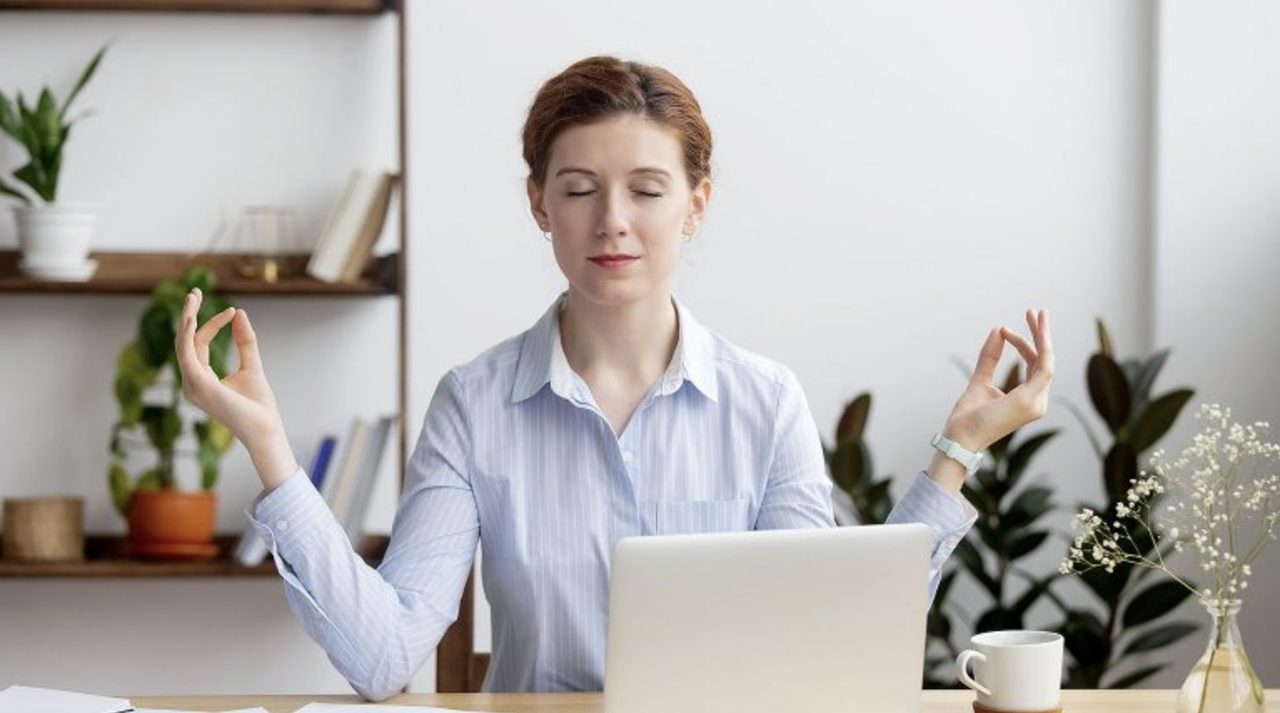
In today’s fast-paced world, most of us rush through the day without pausing to breathe or enjoy the present moment. It’s easy to lose ourselves in the constant juggle of work goals, family responsibilities, and a constant stream of information. However, small moments of mindfulness—simple moments of focus spread throughout the day—can truly transform the way our minds, hearts, and even bodies feel. Developing mindfulness doesn’t require long meditation sessions or vacations. Instead, it comes from small, regular habits that help us connect with the present moment and improve our overall well-being.
How Mindfulness Can Change Your Life
Mindfulness is more than just a health trend; it’s a practice proven to help reduce stress, anxiety, and emotional reactivity. Mindfulness means focusing on the present moment without judgment. This simple yet effective method allows us to break out of inactive mode and truly focus on living in the present moment.
When we take a moment to pay attention to our thoughts, feelings, or the things around us, they become clearer. Over time, these mindful pauses can have a positive impact on your health, focus, and even your mood. Research shows that regular mindfulness practice can lower your blood pressure, improve sleep quality, and strengthen your immune system.
However, you don’t have to meditate for hours. To feel more alert during the day, try taking 60 seconds of deep breathing or sipping your morning coffee. This will help you feel calmer and more in control.
How Small Mindfulness Acts Can Improve Your Mental Health
Mindfulness helps you connect with your feelings and thoughts and learn how to respond instead of reacting. Adding small moments of mindfulness throughout your day can have a significant impact on your mental health.
For example, if you’re stressed, mindfulness allows you to pause and reflect on what you’re doing instead of reacting thoughtlessly. This pause can help you make better decisions and prevent your worries from escalating. You become more aware of negative thought patterns and can gradually transform them into more kind and understanding ones.
Mindfulness also promotes greater gratitude. Taking time to appreciate small things, like a warm cup of tea, a beautiful smile, or a peaceful sunset, can help your mind focus less on stress and feel better. This shift in thinking can make you stronger, more emotionally stable, and happier over time.
The Health Benefits of Mindfulness
Mindfulness is not only good for your mind, but also for your body. When you take the time to pay attention to your bodily sensations, you can recognize signs of stress, fatigue, or hunger before they worsen. For example, a break during the workday to stretch can help relieve tension in your shoulders or back.
Practicing mindful breathing can also increase oxygen flow to your brain, helping you focus better and reducing physical symptoms of stress, such as a rapid heartbeat or muscle tension. Some studies suggest that mindfulness can even improve digestion by slowing down nervous system activity, making it easier for the body to break down food.
Mindfulness can also help you sleep better, one of the most important aspects of good health. Simple ways to relax before bed, such as focusing on your breathing or gently checking your body to identify areas of tension, can help you transition from a busy day to a restful night’s sleep.
Start your day simply with mindfulness
You can take a moment to practice mindfulness anywhere—for example, on your commute, while eating, walking, or traveling. It involves giving your full attention to the task at hand and engaging all your senses. Here are a few simple ways:
- Start your day with a positive intention. Before checking your phone or rushing to get ready, take a moment to breathe calmly and make a plan for your day. This could be something like: “I stay calm when things get tough” or “I enjoy the little things in life.”
- Practice mindful breathing. Take three slow, deep breaths whenever you feel stressed. Visualize the air entering and leaving your body through your nose and lungs. This simple technique can help you instantly calm down and focus.
- Pay attention to your food. Don’t eat while looking at your phone or watching TV. Enjoy your food. Notice the smell, the smell.
Less often, they require hours of meditation or a complete lifestyle overhaul. But the truth is, consistency is more important than intensity. Small, daily mindfulness practices can yield better long-term results than occasional, larger ones.
Your brain thrives with repetition. Mindfulness makes it easier for your mind to stay calm and focused, just as regular exercise strengthens your body. Over time, these small moments of awareness can make you stronger, clearer, and more in control of your emotions.
This means that even if you only work a short time each day, they can add up. Every thoughtful break, like paying attention to your breathing during a meeting or taking a moment to quiet your mind during lunch, can benefit your health.
Frequently Asked Questions about Mindfulness
1. How much time should I spend practicing mindfulness each day?
Even five minutes of mindfulness can help. The key is consistency. Short, frequent practices are better than longer, irregular ones.
2. Can mindfulness help relieve stress and anxiety?
Yes, research shows that mindfulness can help people with anxiety and stress become more aware of their thoughts and actions, which can help them feel better. It allows people to react calmly instead of emotionally.
3. Do I need special meditation training or experience to practice mindfulness?
Absolutely not. Mindfulness is an activity that anyone can do, anywhere. As a first step, you can focus on your breathing, your surroundings, or your daily tasks.
4. Can mindfulness improve collaborative relationships?
Of course. Being more present can help you listen more deeply, speak more clearly, and show understanding. Focusing on the present moment can strengthen your connections with family, friends, and even colleagues.
5. What is the best time of day to practice mindfulness?
There’s no bad time. Mornings, work breaks, or before bed are all good options. The best time is when you can pause for a moment and fully immerse yourself in the present moment.
Conclusion: Small things can lead to big things.
You don’t have to escape your daily life to feel calmer, healthier, and happier. Moments of mindfulness—breathing deeply, consciously pausing, and being fully present in the present moment—can transform your life experience. They help you be more present, slow down, and connect more deeply with yourself and the world around you.
Mindfulness is a way of life that can lead to better health and greater peace. Remember, happiness doesn’t happen overnight; it’s built moment by moment. And every moment of clarity counts.