Eating healthy doesn’t have to be difficult. There’s a lot of confusing information online about what you should and shouldn’t eat. There’s advice about keto, low-carb, intermittent fasting, and gluten-free diets. But the truth is, being healthy doesn’t mean following a strict diet or cutting out things you enjoy. It’s about making smart, lasting decisions that you can easily integrate into your daily life. Over time, small changes can have a huge impact on your health, energy, and well-being.
In this guide, we offer some simple, solid, and truly effective nutrition tips. No fad diets, gimmicks, or confusion. These simple tips will help you nourish your body as healthily as possible, whether you want to lose weight, boost your energy, or simply improve your overall diet.
Focus on real, unprocessed foods
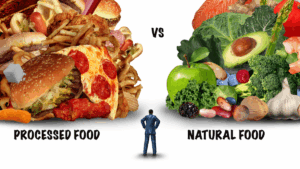
Eating foods that are as close to their natural state as possible is a key part of staying healthy. To stay healthy, you should eat unprocessed foods like fruits, vegetables, whole grains, nuts, seeds, and lean meats. They’re rich in fiber, vitamins, minerals, and antioxidants, which are often lacking in processed foods.
Try to prepare most of your meals with unprocessed foods. Instead of sugary foods, try rice with fruit. Or, instead of ready-made snacks, have a handful of nuts or an apple. While you don’t have to eliminate processed foods completely, it’s best to limit them to occasional meals. Eating more unprocessed foods will help you feel and function better.
Eat more fruits and vegetables every day
Many people know that fruits and vegetables are good for you, but they don’t eat enough. These colorful foods are rich in fiber, water, and powerful antioxidants. These antioxidants keep you healthy and prevent disease.
A simple tip is to make half of your lunch and dinner vegetables. Enjoy a spinach or banana drink in the morning. Instead of chips, you can also eat carrots, cucumber, or berries. Every color of food has health benefits. For example, orange foods like sweet potatoes are rich in beta-carotene, while leafy greens are rich in iron and calcium. It’s best to fill your plate with a variety of colors.
Don’t skip breakfast; eat healthy
A good breakfast early in the morning gives your body the energy it needs to stay healthy. Skipping breakfast can lead to fatigue, difficulty concentrating, and overeating later. However, not all meals are the same. A cookie or nutritious cereal can give you a quick energy boost, but that energy quickly dissipates.
For breakfast, choose foods rich in healthy fats, complex carbohydrates, and protein. Think, for example, of a vegetable omelet, a breakfast of nuts and fruit, or Greek yogurt with honey and granola. These balanced meals provide energy and keep your blood sugar levels stable throughout the morning.
Drink plenty of fluids throughout the day
Many bodily functions depend on water, from breathing and maintaining a stable body temperature to brain function. However, many people confuse thirst with hunger, leading to unnecessary snacking.
Try to drink eight glasses of water daily. If you’re busy or live in a hot climate, drink more. If plain water is enough for you, add lemon slices, cucumber slices, or mint for flavor. Herbal teas and water-rich foods, such as tomatoes, oranges, and cucumbers, can also help you stay alert.
Tip: If you feel tired or have a headache during the day, it might not be because you’re hungry, but because you’re dehydrated.
Limit your portion size and don’t starve yourself
It’s not enough to just watch what you eat; you also need to watch how much you eat. Even healthy eating can cause weight gain if you eat too much. Portion control can help you maintain balance and avoid feeling suffocated.
To naturally reduce your food intake, try eating from smaller plates. Eat more slowly, chew your food thoroughly, and stop eating when you’re full, but not yet stuffed. How your body senses hunger is crucial. If you’re not hungry, don’t eat just because it’s lunchtime.
Also, plan your snacks in advance. Put chips or nuts in a small bowl before eating them instead of eating them straight from the bag. This small change can have a big impact in the long run.
Limit processed foods and foods with added sugar
Many common foods, such as soft drinks, flavored yogurts, cereals, and sauces, contain hidden sugars. Too much sugar can lead to once you get used to naturally sweet foods like fruit, you’ll find that they keep you feeling fuller longer.
Include lean protein with every meal
Protein is essential for feeling fuller longer, building and repairing muscle, and maintaining your energy levels. Eating protein with every meal helps keep your energy levels stable and prevents overeating.
Eggs, fish, chicken, beans, lentils, tofu, and Greek yogurt are all good options. You don’t need a large amount of protein; a small amount at each meal is sufficient. For example, you can eat a boiled egg or add grilled chicken or beans to a salad.
If you’re vegetarian or vegan, make sure you get enough plant-based nutrients every day. Examples include rice, beans, and nuts.
Plan and prepare your meals in advance
Inadequate food preparation is one of the main reasons people make poor food choices. When you’re tired and hungry, fast food or snack foods might seem like the easiest option. By planning ahead, you can avoid these pitfalls.
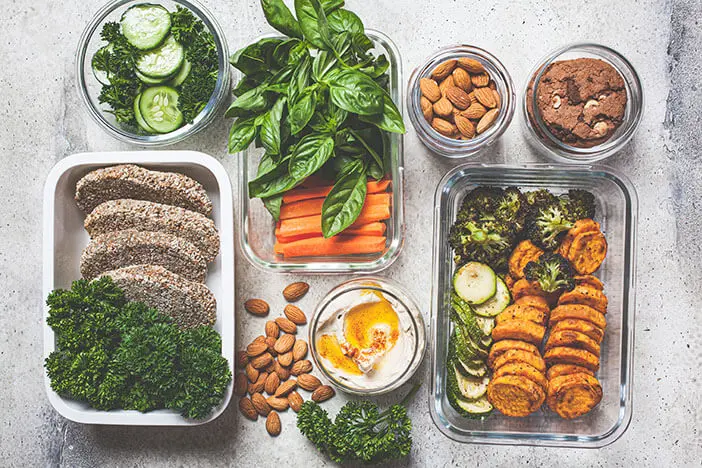
Take a few minutes once a week to plan your meals and make a grocery list. Cook a large batch of grains, roast a large quantity of vegetables, or prep your drink ingredients ahead of time. Eggs, oatmeal, and frozen vegetables are all healthy foods to always have on hand for quick meals.
Meal prep doesn’t have to be difficult. Simple habits, like chopping fruit or making extra meals to save for later, can save you time and make healthy eating easier.
Pay attention to your body and eat slowly
When you eat mindfully, you pay attention to what you eat and how it makes you feel. Take the time to savor your food instead of watching TV or checking your phone while you eat. Listen to the taste, the sensation, and the satisfaction of every bite.
This simple habit can prevent overeating and improve your digestion. When you eat slowly, your body has time to signal that it’s full. It also helps you determine when you’re eating out of boredom or stress, rather than because you’re hungry. By becoming more aware of your habits, you can better change your relationship with food.
Frequently Asked Questions about Simple Diet Tips
How can you easily start improving your diet?
Start small. Replace one ready-made meal or snack each day with a whole food like nuts, vegetables, or home-cooked vegetables. Over time, small changes can accumulate.
Do I have to eat a certain way to stay healthy?
Absolutely not. Healthy eating isn’t about reducing your intake, but about balance and regularity. Focus on whole foods and a balanced diet, not on strictly adhering to a set of rules.
How can I break my sweet tooth?
Get enough sleep, drink plenty of water, and eat a balanced diet with energy and carbohydrates. As your body adjusts to reducing sugar intake, your cravings will usually diminish.
Do carbohydrates make you fat?
Absolutely not. Carbohydrates are your body’s main source of energy. To lose weight, simply focus on whole foods, oats, and brown rice, instead of sugary carbs.
How can I ensure I eat healthy consistently?
Plan your meals in advance, prepare them well, and don’t strive for perfection. Leave room for error, but also focus on your overall growth.
In short
You don’t have to strive for perfection to be healthy; you just need to make better choices more often. You can develop lasting healthy habits by focusing on whole foods, watching your portions, drinking enough water, and paying attention to your body. The best diet is one that’s easy to follow, balanced, and fun. Start today and stick with it. Your energy, happiness, and overall health will improve quickly. To stay healthy, you need to make lasting changes, not just short-term fixes. These simple diet tips will help you get on the right track.