
With the rising cost of living, it’s crucial to carefully plan your food budget. Grocery shopping is one of those recurring expenses that can quickly spiral out of control if you don’t plan ahead. With a few tips, advance planning, and smart choices, you can fill your shopping cart with healthy and filling foods without breaking the bank. This book teaches you practical, accessible, and easy ways to easily grocery shop on a budget without sacrificing quality or nutritional value.
Make a grocery list before you go shopping
Before you even go to the store, you need to know how to shop smart. Careful planning prevents you from buying unnecessary items and helps you stick to your budget. Create a grocery list first and plan your weekly meals. This will save you money and prevent food waste. Before making your list, check your pantry, refrigerator, and freezer to make sure you don’t buy the same items twice.
You can use apps like Google Keep, AnyList, or Mealime to organize your digital grocery lists. These apps also make it easy to share or edit your lists. It’s also helpful to check flyers or online ads in advance. Many supermarkets, for example, post weekly specials online. Knowing what’s going on can help you choose the best store and score the best deals.
Shop to save money
Set your budget before shopping and stick to it. Because you know how much you can spend, you’ll be more mindful of what you put in your shopping cart. If you tend to overspend, it’s advisable to pay with cash instead of a debit card. This makes it easier to track your expenses.
Rounding prices while shopping is a good way to control your spending. For example, if an item costs €3.75, round it up to €4. This method helps you quickly calculate your expenses and avoid surprises at the checkout.
Buy in bulk when it makes sense
Buying in bulk, especially non-perishable items like rice, beans, pasta, flour, or canned food, can save you a lot of money. It’s important to buy in bulk only when it makes sense. If food spoils before you use it, that’s not real savings, it’s just waste.
If you cook regularly or have a family, you can save money by buying products like frozen vegetables, cereals, or snacks in bulk. Look for department stores like Costco, Sam’s Club, or local wholesalers that offer bulk deals.
Choose store brands over name brands
People often automatically choose well-known brands when shopping, but store brands or generic products can often offer the same quality at a significantly lower price. For products like sugar, flour, canned goods, and cleaning supplies, many store brands are just as good as name brands.
Compare ingredient lists before you throw them away. They’re often almost identical. Switching to a different store brand can save you hundreds of euros a year without sacrificing the quality or taste of your food.
Use cashback and coupon apps
Saving money on food is easier than ever these days. Many stores offer digital deals that you can access through their websites or apps. You can also use apps like Ibotta, Rakuten, and Fetch Rewards to earn cash back on everyday purchases.
It’s also wise to add discounts to sale prices. Use coupons to double your savings. But be careful not to buy unnecessary items just because they’re on sale. Buy only what you need to truly save.
Buy local and seasonal produce
Fruits and vegetables are often cheaper and tastier when they’re in season. Stores often offer discounts when there’s a lot of fruit available. You can find better deals on seasonal produce at your local farmers market and support local growers by shopping there.
Buy strawberries and peaches in the summer when they’re in season. Stock up on apples and citrus fruits in the winter. You can also buy large quantities of fruits and vegetables during peak shopping times and freeze them for later.
Don’t shop when you’re hungry
This might seem like a simple tip, but it can help you avoid unnecessary spending. When you’re hungry, you’re more likely to buy snacks, candy, or processed foods on the spot, which can drive up your bill. Eating a small meal before going to the store can help you stay focused and make better decisions.
Learn how to compare unit prices
A great way to save money that people often forget is comparing unit prices. The unit price refers to the price per ounce, pound, or liter. This is usually printed on the packaging.
Learn this tip and you’ll be making smart financial decisions in no time.
Cook at home and limit your consumption of prepackaged goods
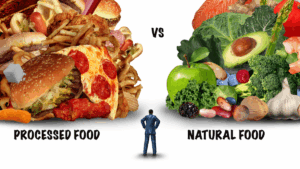
One of the best ways to save money is to cook for yourself. Pre-made meals save time, but they’re often expensive. With simple ingredients like rice, beans, and vegetables, you can make a wide variety of meals at a much lower cost than processed products.
Meal prep or cooking in bulk can also help. If you prepare meals ahead of time and store them in reusable containers, you’re less likely to order takeout or fast food when you’re busy.
Don’t miss out on loyalty programs
Many supermarkets offer loyalty programs that provide discounts, points, or special offers to customers who shop there frequently. These apps, which are available for free, can help you save money in the long run. Some stores even send you personalized offers based on your past purchases, making it easier to save on items you buy often.
Apply for a loyalty card at your local store; you might get access to digital offers, members-only pricing, and cashback.
Frequently Asked Questions about Smart Shopping on a Budget
1. How can I save money without sacrificing nutritional value?
Choose versatile, unprocessed products, such as eggs, frozen vegetables, rice, beans, and lentils. These products are inexpensive, good for you, and versatile enough to use in a variety of meals. Avoid ready-made meals and drinks with lots of sugar. These are more expensive and offer little nutritional value.
2. Can I save money by grocery shopping more than once a week?
Generally, you’ll save more money if you grocery shop only once a week. Weekly planning helps you stay focused and organized, while frequent shopping can lead to mindless purchases.
3. How can I make the most of coupons?
During sales, you can save the most with both manufacturer and store coupons. However, coupons should only be used for items you’re already planning to buy. If you don’t use coupons, you won’t actually save money.
4. Is online shopping cheaper than going to the store?
Not always. Online shopping saves you time, but shipping and service costs can be significant. Want to save time? Look for stores that offer free pickup or delivery on orders over a certain amount.
5. How can you save money while shopping without wasting food?
Only buy food you can eat before it spoils, store it properly, and plan your meals around food that’s about to spoil. To make the most of your food, you can also create new recipes with leftovers.
In short
You don’t have to sacrifice quality or enjoyment when shopping on a budget; you just have to choose wisely. By planning ahead, comparing prices, using coupons, and focusing on healthy staples, you can save a lot of money and still eat healthily. Over time, small changes like making lists, shopping seasonally, and cooking at home can really add up. Remember: one of the best ways to save money and live a healthy lifestyle is to be frugal at the grocery store.
By following these tips, your next grocery shopping trip won’t just be a purchase, but a much better experience.