
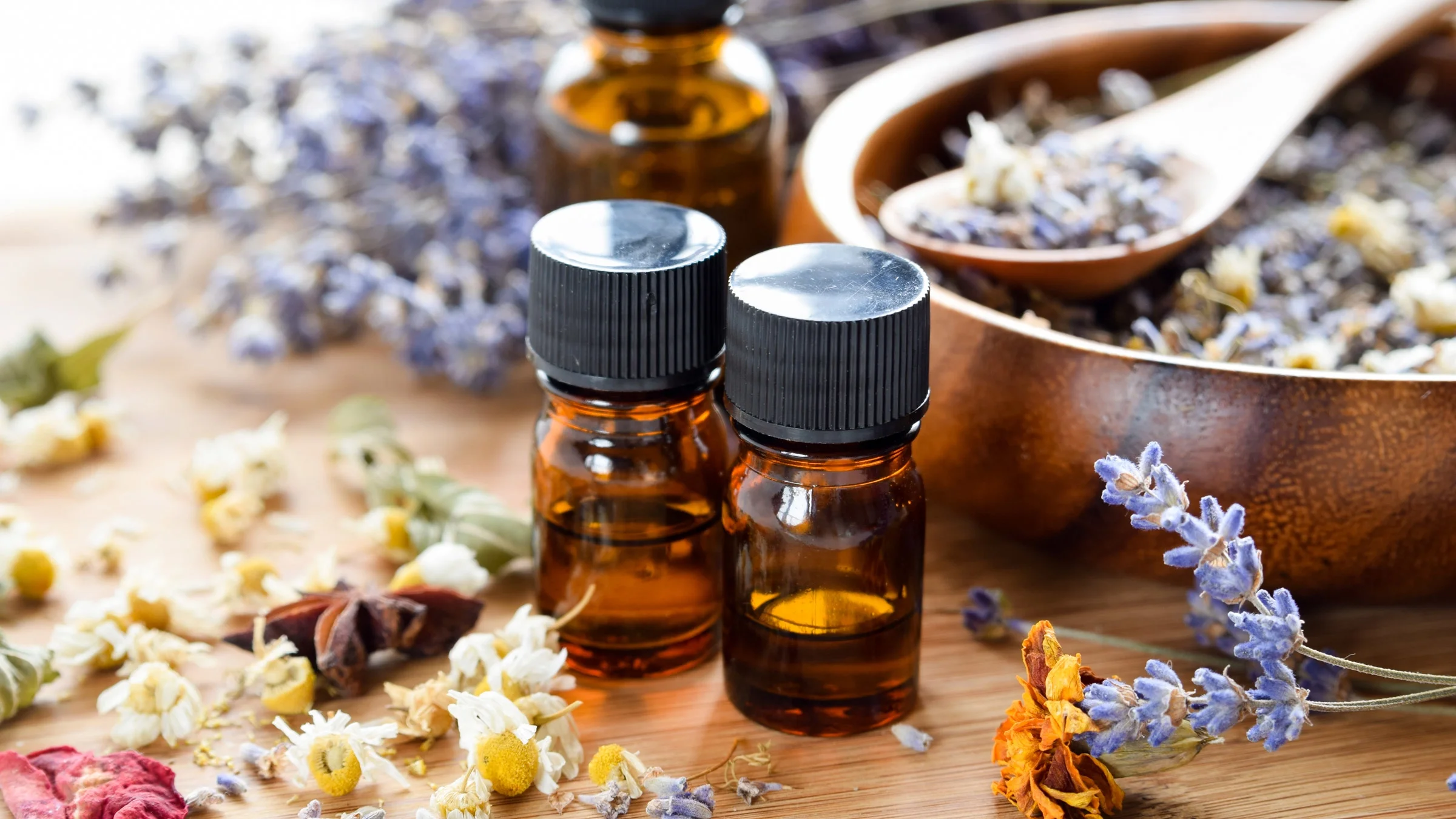
Your home should be a sanctuary, a place where you can unwind and recharge after a long day. But sometimes, the stress of daily life follows you through the front door. One simple and effective way to cultivate a peaceful atmosphere is by using essential oils. These powerful plant extracts can help calm your mind, reduce anxiety, and transform your living space into a tranquil retreat.
This guide will walk you through everything you need to know about using essential oils for stress relief. We’ll cover which oils are best for creating a serene environment, how to use them safely and effectively, and how to seamlessly integrate them into your daily routines. By the end, you’ll have the knowledge to turn your home into the stress-free haven you deserve.
Understanding Essential Oils and Stress
So, how does smelling a pleasant scent actually reduce stress? Essential oils are highly concentrated plant extracts that capture the plant’s scent and flavor, or “essence.” When you inhale the aroma of an essential oil, the scent molecules travel from the olfactory nerves directly to the brain, impacting the amygdala, the emotional center of the brain. This part of the brain is a component of the limbic system, which plays a major role in controlling emotions, behaviors, and long-term memory.
The pressures of modern life—from demanding work schedules and financial worries to the constant connectivity of social media—can keep our bodies in a state of high alert. This chronic stress can lead to anxiety, fatigue, and burnout. The aromatic compounds in essential oils can trigger responses in the brain that help counteract these feelings. They can promote feelings of calm, improve mood, and even help you get a better night’s sleep, providing a natural way to manage daily pressures.
Top Essential Oils for a Stress-Free Home
While there are hundreds of essential oils, a few stand out for their exceptional calming and mood-lifting properties. Here are five of the best oils to get you started.
Lavender
Often called the “king of essential oils” for relaxation, lavender is renowned for its ability to calm the nervous system and reduce feelings of tension. Its soft, floral scent is widely used to promote restful sleep and ease anxiety.
- Uses: Add a few drops to a diffuser before bed, mix with a carrier oil for a relaxing massage, or add to a warm bath.
Chamomile
Known for its gentle, soothing properties, chamomile is perfect for unwinding after a stressful day. Its sweet, apple-like fragrance helps to create a peaceful and comforting environment, making it a great choice for bedrooms and living areas.
- Uses: Diffuse in the evening to prepare for sleep, add a drop to your favorite nighttime tea, or apply topically to the soles of your feet.
Eucalyptus
With its strong, camphoraceous aroma, eucalyptus is excellent for clearing the mind and promoting deep breathing. It’s often used to invigorate the senses and create a spa-like atmosphere in your bathroom.
- Uses: Add a few drops to your shower floor for an aromatic steam, use in a diffuser to freshen the air, or include it in a DIY cleaning spray.
Peppermint
The cool, refreshing scent of peppermint can help boost energy, improve focus, and relieve tension headaches. It’s a great oil to diffuse in your home office or any space where you need to feel alert and revitalized.
- Uses: Diffuse during work or study sessions, apply a diluted drop to your temples to ease a headache, or add to a spray bottle with water for a natural room freshener.
Lemon
The bright, zesty aroma of lemon essential oil is a powerful mood booster. It can help uplift your spirits, reduce feelings of anxiety, and purify the air. Its clean, cheerful scent makes it ideal for kitchens and living spaces.
- Uses: Diffuse in the morning to start your day with energy, add to homemade cleaning products for a fresh scent, or simply inhale from the bottle for a quick pick-me-up.
How to Use Essential Oils Effectively
Getting the benefits of essential oils is easy, and there are several methods you can try.
- Diffusers: An essential oil diffuser is one of the most popular ways to disperse aromatic scents throughout a room. There are several types, including ultrasonic, nebulizing, and heat diffusers. Simply add water and a few drops of your chosen oil to create a fragrant, calming mist.
- Topical Application: You can apply essential oils directly to your skin, but they must be diluted with a carrier oil (like coconut, jojoba, or almond oil) to prevent irritation. Mix a few drops of essential oil with a tablespoon of carrier oil and apply it to your wrists, temples, or the back of your neck.
- DIY Cleaning Solutions: Ditch harsh chemicals and create your own natural cleaning products. Add about 10-15 drops of lemon or eucalyptus oil to a spray bottle filled with water and a splash of white vinegar for an all-purpose cleaner that leaves your home smelling fresh.
- Aromatherapy Baths: A warm bath is already relaxing, but adding essential oils takes it to the next level. Mix 5-10 drops of lavender or chamomile oil with a carrier oil or Epsom salts before adding it to your bathwater to help the oil disperse evenly.
Safety Precautions
Essential oils are potent and should be used with care. Keep these safety tips in mind:
- Always Dilute: Never apply undiluted essential oils directly to your skin. A general guideline is to use 3-5 drops of essential oil per teaspoon of carrier oil.
- Patch Test: Before using a new oil topically, perform a patch test on a small area of skin to check for any allergic reactions or sensitivity.
- Store Properly: Keep your essential oils in a cool, dark place in their original dark glass bottles. This protects them from sunlight and heat, which can degrade their quality.
- Consult a Professional: If you are pregnant, nursing, or have a pre-existing medical condition, consult with a healthcare professional before using essential oils.
Frequently Asked Questions
Are essential oils safe to use around pets?
Many essential oils can be toxic to pets, especially cats and dogs. Oils like tea tree, peppermint, and eucalyptus can be harmful if ingested or even diffused in the air. Always research which oils are safe for your specific pet and use them with caution in a well-ventilated area.
Can essential oils help with sleep?
Yes, certain essential oils like lavender and chamomile are well-known for their sedative properties. Diffusing these oils in your bedroom before you go to sleep can help calm your mind and promote a more restful night.
How do I choose high-quality essential oils?
Look for oils that are 100% pure, with no additives or synthetic fragrances. The label should indicate the plant’s botanical name. Reputable brands often provide information about their sourcing and testing methods, ensuring you get a high-quality product.
Can essential oils replace medical treatments for stress?
While essential oils can be a powerful tool for managing everyday stress and anxiety, they are not a substitute for professional medical treatment. If you are struggling with severe or chronic stress, anxiety, or depression, it is important to seek advice from a doctor or mental health professional.
Create Your Tranquil Oasis
Integrating essential oils into your daily life is a simple yet profound way to enhance your well-being and create a more peaceful home environment. By choosing the right scents and using them mindfully, you can turn your living space into a sanctuary that supports your mental and emotional health. Start with one or two oils that resonate with you, and explore the different ways you can bring their calming benefits into your routine.