In today’s fast-paced world, processed foods have become a convenient choice for many. Whether it’s a quick breakfast cereal, a frozen meal after a long day, or snacks to keep us going, processed foods are everywhere. But while they save time, they may also cost us our health in the long run. Many people don’t realize just how much these foods can impact energy levels, digestion, and even long-term well-being. Understanding the truth about processed foods and discovering healthier alternatives can help you make smarter choices without feeling deprived.
What Are Processed Foods?
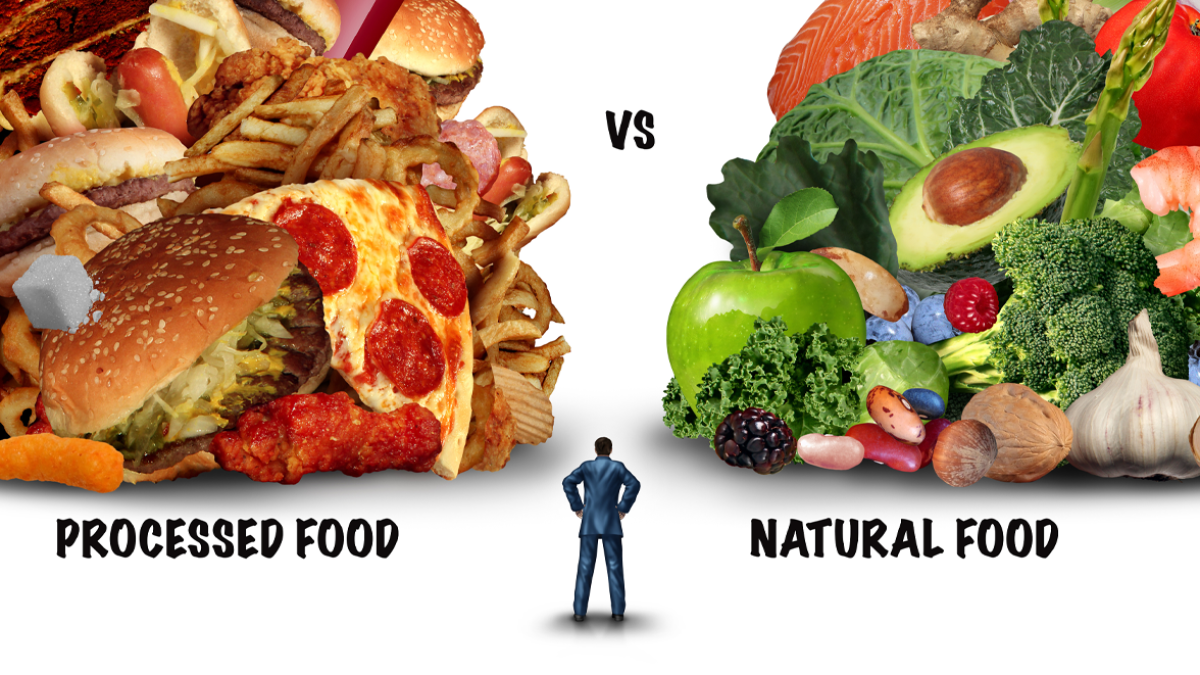
Processed foods are any food items that have been altered from their original form for convenience, shelf-life, or taste. This doesn’t mean all processed foods are bad. For example, washing, cutting, or freezing vegetables also counts as processing. The problem arises with ultra-processed foods — products that contain artificial additives, preservatives, colors, flavors, and excessive amounts of sugar, salt, and unhealthy fats.
Examples include chips, soft drinks, instant noodles, packaged pastries, and sugary cereals. These foods often contain little to no real nutritional value and can contribute to various health issues if consumed frequently.
The Hidden Dangers of Processed Foods
The marketing behind processed foods often makes them seem harmless, but the truth is more complex. Here are some of the key reasons why these foods can be harmful:
1. High in Added Sugars
Many processed foods are loaded with hidden sugars, even those labeled as “healthy” or “low-fat.” Excessive sugar intake contributes to obesity, type 2 diabetes, heart disease, and dental problems. It also causes energy crashes and increased cravings for more sugar, creating a vicious cycle.
2. Packed with Unhealthy Fats
Hydrogenated oils and trans fats are common in processed snacks, fast food, and baked goods. These fats increase bad cholesterol (LDL) and lower good cholesterol (HDL), raising the risk of cardiovascular diseases.
3. Excess Sodium
Sodium is added to processed foods for flavor and preservation. While your body needs some sodium, too much can cause high blood pressure, dehydration, and kidney strain.
4. Chemical Additives
Artificial colors, preservatives, and flavor enhancers are commonly added to make food look and taste appealing. Some of these chemicals may cause allergic reactions or disrupt hormones when consumed regularly.
5. Nutrient Loss
Processing strips away essential nutrients like vitamins, minerals, and fiber. Even when nutrients are added back artificially (known as “fortification”), they don’t provide the same health benefits as those found naturally in whole foods.
The Impact of Processed Foods on Your Body
Regular consumption of ultra-processed foods affects nearly every system in your body. Over time, this can lead to:
- Weight gain and obesity due to excess calories and sugars.
- Digestive issues because of low fiber content.
- Fatigue and low energy levels from nutrient deficiencies.
- Mood swings and anxiety triggered by unstable blood sugar levels.
- Increased risk of chronic diseases like heart disease, diabetes, and even certain cancers.
Your body thrives on real, whole foods — the kind that nourish rather than deplete. That’s why making the switch to healthier alternatives can have life-changing benefits.
Better Alternatives to Processed Foods
Choosing better alternatives doesn’t mean you have to give up convenience. With a few simple swaps and smart habits, you can eat healthier without feeling restricted.
1. Whole Grains Instead of Refined Grains
Swap white bread, white rice, and regular pasta for whole-grain versions like brown rice, quinoa, oats, or whole wheat bread. Whole grains are rich in fiber, vitamins, and minerals that support digestion and heart health.
2. Fresh Fruits Over Sugary Snacks
Instead of reaching for cookies or candy bars, choose fruits like apples, bananas, or berries. They satisfy your sweet cravings while providing natural sugars, fiber, and antioxidants.
3. Homemade Meals Over Packaged Foods
Cooking at home allows you to control what goes into your meals. Simple homemade soups, stews, or stir-fries made with fresh ingredients are both nourishing and budget-friendly.
4. Natural Beverages Instead of Sodas
Trade sugary sodas and energy drinks for water, herbal teas, or fruit-infused water. Staying hydrated naturally improves skin health, boosts metabolism, and supports your body’s detox processes.
5. Healthy Snacks Instead of Chips
Instead of processed snacks, try air-popped popcorn, nuts, seeds, or homemade trail mix. These snacks are full of nutrients and keep you full longer without the extra salt or preservatives.
How to Gradually Reduce Processed Foods
Making a sudden dietary overhaul can feel overwhelming, so start small:
- Read labels carefully. Avoid items with long ingredient lists or unrecognizable additives.
- Plan your meals. Prepping simple meals helps you skip fast food and ready-to-eat options.
- Shop the perimeter of the store. That’s where you’ll find fresh produce, dairy, and meats — not the processed stuff.
- Cook in batches. Prepare meals ahead of time and freeze them for busy days.
- Treat processed foods as occasional indulgences. Balance is key — it’s not about perfection but progress.
Health Benefits of Choosing Whole Foods
Once you begin replacing processed foods with whole, natural ones, you’ll start noticing real improvements in your health:
- Better digestion thanks to increased fiber intake.
- More energy due to balanced blood sugar levels.
- Clearer skin as your body eliminates toxins.
- Improved mood from nutrient-rich, real food.
- Weight stability because your body feels fuller with less food.
These benefits build up over time, transforming not just how you look, but how you feel every single day.
FAQs About Processed Foods
1. Are all processed foods unhealthy?
Not necessarily. Foods like frozen vegetables, canned beans, or whole-grain bread can be part of a balanced diet. The key is avoiding ultra-processed foods high in additives, sugars, and unhealthy fats.
2. How can I tell if a food is highly processed?
Check the ingredient list. If it contains a long list of artificial additives, flavorings, and preservatives you can’t pronounce, it’s likely ultra-processed.
3. What are some quick, healthy alternatives to processed meals?
Try overnight oats, smoothie bowls, veggie wraps, or grilled chicken salads. These meals are easy to prepare and packed with nutrients.
4. Is it okay to eat processed foods occasionally?
Yes, moderation is fine. The goal isn’t to completely eliminate them but to prioritize whole, nutrient-dense foods most of the time.
5. Can switching from processed to whole foods really improve health?
Absolutely. Many people report better digestion, improved energy, clearer skin, and even better sleep after cutting back on processed foods.
Conclusion
The truth about processed foods is simple — while they offer convenience, they often come at a cost to your health. Over time, regular consumption can lead to fatigue, weight gain, and serious health problems. But by choosing whole, natural alternatives, you can enjoy food that not only tastes great but also supports long-term wellness.
Start small, make gradual swaps, and listen to your body. Every healthier choice you make brings you one step closer to feeling your best — naturally, sustainably, and confidently.